Jef Verheyen - Works from the 1950s
Ensemble
In the first decade of the artist’s career, the 1950s, the concept of his black monochromes takes shape. Verheyen defines these works as Schwarz darstellen or ‘depicting black’, a reference to Paul Klee. His Espace Noir works are black vibrant and foggy atmospheres with no beginning and no end, and are mostly painted with oil on burlap. In the second part of the 1950s, Verheyen made his first white monochromes (Espace Découpé, Monochromie [458]) on wood as well as on panel. The artist experiments with collage and mixed media such as silver paint, smoke, glue, and nylon.

Items
View all-
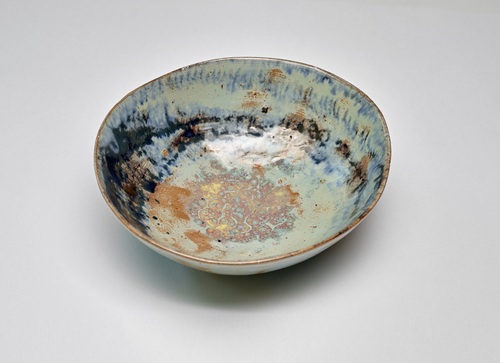
• 0830 • Kom
Jef Verheyen, • 0830 • Kom, 1955. Ceramics, glazed earthenware, 5,5 x 15 cm.
-
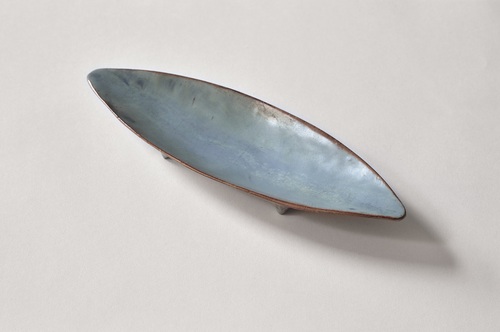
• 0829 • Schaal
Jef Verheyen, • 0829 • Schaal, 1955. Ceramics, glazed earthenware, 2,5 x 22 x 7,5 cm.
-
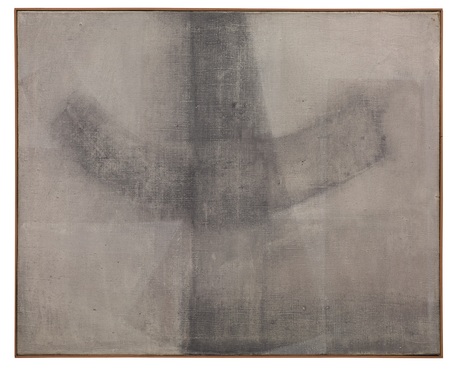
• 0828 • Untitled
Jef Verheyen, Antonio & Marieda Boschi - Di Stefano, • 0828 • Untitled, 1958. Painting, oil paint on canvas, 82,5 x 100,5 cm.
-
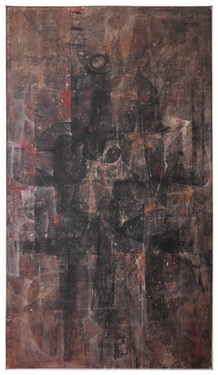
• 0827 • Zelfontmoeting (...
Jef Verheyen, Ivo Michiels, • 0827 • Zelfontmoeting (Self-Contemplation), 1958. Painting, oil paint on burlap, 200 x 114 cm.
Actors
View all-
Galerie Iris Clert
Iris Clert, born as Iris Athanassiadis in 1917 in Athens, moved to Paris in the 1930s. She joined, together with her husband, filmproducer Cl
-

Jef Verheyen
Jef Verheyen consistently marched to the beat of his own drum within the history of Flemish, Belgian and international abstract art from 1954
-
Ivo Michiels
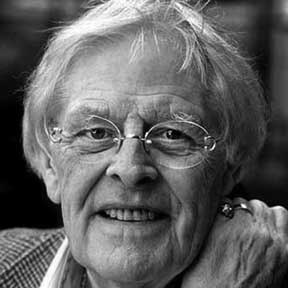
Ivo Michiels is the pseudonym of Henri Paul René Cuppens, born in 1923. He was not only an author, but also an art critic, a screenwriter, te
-
Claire & Paul Bataille - ...
After Claire Bataille and Paul Ibens graduated simultaneously, both with high honors, from the National Institute of Architecture and Urbanis